

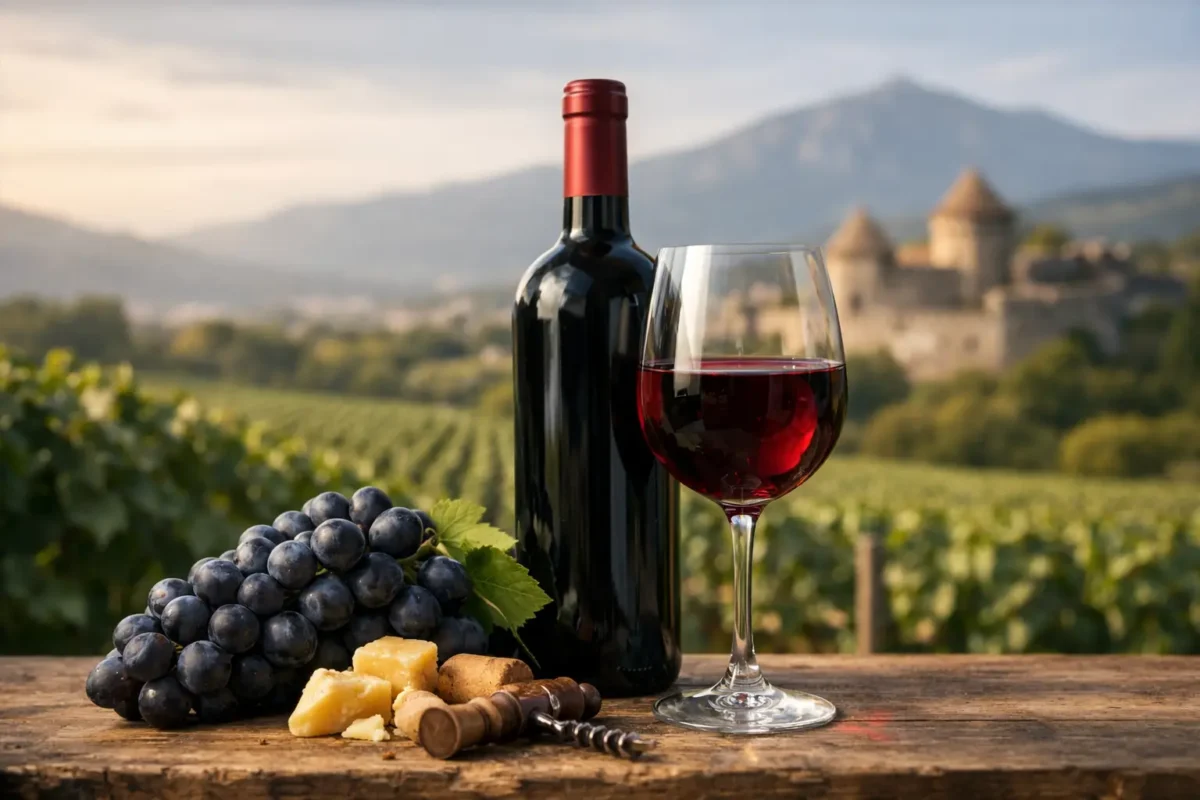
A red that carries the warmth of sunlit valleys, the gravity of old earth, and a story few American buyers have heard in full – that is often the quickest answer to what is mavrud wine. But Mavrud deserves more than a one-line definition. It is one of Bulgaria’s most distinctive native grapes, closely tied to the Thracian Valley, and it offers something the modern wine market often lacks: true regional identity without imitation.
For retailers, sommeliers, and import buyers, Mavrud is not simply another obscure varietal to place on a shelf. It is a premium Old World red with heritage, structure, and a point of view. For drinkers, it is a discovery that feels meaningful rather than novelty-driven.
What Is Mavrud Wine?
Mavrud wine is a red wine made from Mavrud, an indigenous Bulgarian grape grown most notably in the Thracian Valley. It is known for producing deeply colored wines with dark fruit, savory spice, firm structure, and notable aging potential.
That description matters because Mavrud does not behave like a softened international red shaped to please everyone at first sip. It tends to show depth before charm, backbone before gloss. At its best, it is generous but composed, with a profile that feels grounded in place rather than styled for trend.
The grape has long been associated with southern Bulgaria, where warm days and cooling influences help preserve freshness while allowing full phenolic ripeness. This balance gives Mavrud one of its greatest strengths: richness without losing definition.
A Bulgarian Grape With Ancient Roots
To understand what Mavrud wine is, it helps to understand where it comes from. Bulgaria is not a new wine country trying to establish credibility. It is one of the oldest wine-producing lands in the world, with a winemaking lineage that reaches back thousands of years to the Thracians.
That heritage is not decorative background. In a category crowded with familiar regions and repeated references, Mavrud offers a lineage that feels both authentic and commercially useful. Buyers are increasingly looking for wines that can carry a table-side story, enrich a retail hand-sell, and offer provenance beyond standard category language. Mavrud does exactly that.
The Thracian Valley remains central to this identity. Its climate, soils, and long viticultural tradition shape the grape into something unmistakably regional. You are not tasting a generic red with a Balkan passport. You are tasting a grape that belongs to this landscape.
How Mavrud Wine Tastes
Mavrud usually shows a dark, saturated color and a serious aromatic profile. Black cherry, blackberry, plum, dried herbs, baking spice, and subtle earthy notes are common. Depending on site and élevage, the wine may also reveal tobacco, cocoa, black pepper, or a mineral edge.
On the palate, it often carries medium to full body, present tannins, and natural freshness. That combination is part of its appeal. Some reds achieve power but lose shape. Others preserve elegance but sacrifice depth. Mavrud can sit in the more compelling middle ground, where fruit concentration is supported by structure and lift.
Still, style varies. A younger Mavrud can feel bold, tense, and somewhat brooding. With time in bottle, it tends to open into greater harmony, showing more layered spice, smoother tannins, and a longer, more refined finish. Oak use also changes the expression. Some producers lean toward polish and roundness, while others preserve a stricter, more earth-driven profile.
That is worth noting for trade buyers. Mavrud is not one fixed flavor. It has enough range to work across independent retail, steakhouse programs, Eastern European lists, and discovery-focused wine bars, but the right cuvée matters.
What Makes Mavrud Different From Other Red Wines
The easiest commercial mistake is to explain every unfamiliar grape by comparing it too closely to a famous one. Comparison helps, but over-comparison flattens identity.
Mavrud may remind some drinkers of Cabernet Sauvignon in its structure, Syrah in its dark-fruited spice, or Nebbiolo in its capacity to evolve with age. Yet it is not a substitute for any of them. Its distinctiveness lies in the way fruit, tannin, and savory character come together. The wine often feels less overtly international and more rooted – more tied to terrain, more marked by its own rhythm.
For buyers, that distinction matters on a crowded shelf. Consumers who already know Bordeaux, Napa, Tuscany, and Rioja are often ready for something else, but not for something shapeless or gimmicky. Mavrud answers that need with credibility. It is rare enough to feel fresh and serious enough to earn repeat attention.
Why the Thracian Valley Matters
Terroir gives Mavrud its authority
The Thracian Valley is one of Bulgaria’s most important wine regions, known for conditions especially favorable to red grapes. Warm growing seasons encourage ripeness and color development, while local variations in soil and exposure add nuance.
This is where Mavrud finds its strongest voice. The wines can achieve concentration, but the better examples avoid heaviness. They carry the warmth of the region with a thread of freshness that keeps the palate alive.
For the US trade, regional clarity is increasingly valuable. Provenance sells when it is specific and believable. “Bulgarian red” sparks curiosity. “Mavrud from the Thracian Valley” creates identity.
Estate-grown fruit raises the category
As with any grape, farming and site selection shape the final wine. Estate-rooted Mavrud has particular appeal because it tightens the connection between grape, place, and producer. That continuity gives the wine more than quality control. It gives it coherence.
When buyers evaluate lesser-known regions, confidence often comes from signals of seriousness: estate-grown fruit, disciplined production, and a clear regional focus. Mavrud performs best in that premium context.
Who Will Like Mavrud Wine?
Mavrud tends to resonate with drinkers who want red wine with presence and a sense of origin. Cabernet drinkers may appreciate its structure. Fans of Southern Rhône or northern Greek reds may respond to its savory dimension. Nebbiolo and Aglianico enthusiasts may admire its firmness and age-worthiness, even if the flavor profile is quite different.
It also appeals to consumers who are tired of polished sameness. There is a growing audience for wines that still feel connected to a real landscape and a living tradition. Mavrud offers that without requiring a leap into something eccentric or difficult.
From a sales perspective, this gives Mavrud a useful dual audience. It speaks to adventurous enthusiasts who actively seek uncommon grapes, and it also converts more conventional premium red buyers when presented with confidence and context.
How to Serve and Pair Mavrud
Mavrud is a natural partner for food. Its structure and dark-fruited depth make it particularly strong with grilled meats, lamb, duck, braised beef, roasted mushrooms, aged cheeses, and dishes with spice or char.
Serving temperature matters. Too warm, and the wine can feel heavier than intended. Slightly below room temperature usually shows it best, preserving both freshness and aromatic lift.
Decanting often helps, especially with younger bottles. Mavrud can be reserved at first. Air allows the fruit and spice to unfold and gives the wine a more complete presence in the glass.
For restaurant programs, this makes it especially compelling in the colder months, though it is not limited to winter fare. Its freshness gives it enough shape for year-round placement beside richer dishes.
Why Mavrud Matters in the US Market
The American market does not need another interchangeable red. It needs wines with story, quality, and a reason to exist beyond price positioning.
That is where Mavrud stands apart. It offers rarity, but not emptily. It offers history, but not as a museum piece. Most importantly, it offers flavor with conviction. In a premium wholesale or restaurant setting, that combination creates real value. Buyers can present a wine that feels discovered yet credible, distinctive yet approachable with the right introduction.
This is also why focused Bulgarian portfolios deserve attention. When presented through a clear lens of terroir, heritage, and craftsmanship, Mavrud becomes more than a niche curiosity. It becomes a category builder. Producers such as Rhesus Wine help frame that opportunity by bringing estate-rooted Bulgarian reds to the US with a strong sense of place and purpose.
So, What Is Mavrud Wine Really?
It is a native Bulgarian red of depth, structure, and history. It is a grape shaped by the Thracian Valley and by a winemaking culture far older than many consumers realize. It is a wine for shelves and lists that need distinction without compromise.
And for those willing to look beyond the usual map, Mavrud offers one of the finest reasons to do so: a glass that tastes not only of fruit and tannin, but of land, memory, and a tradition still speaking with confidence.