

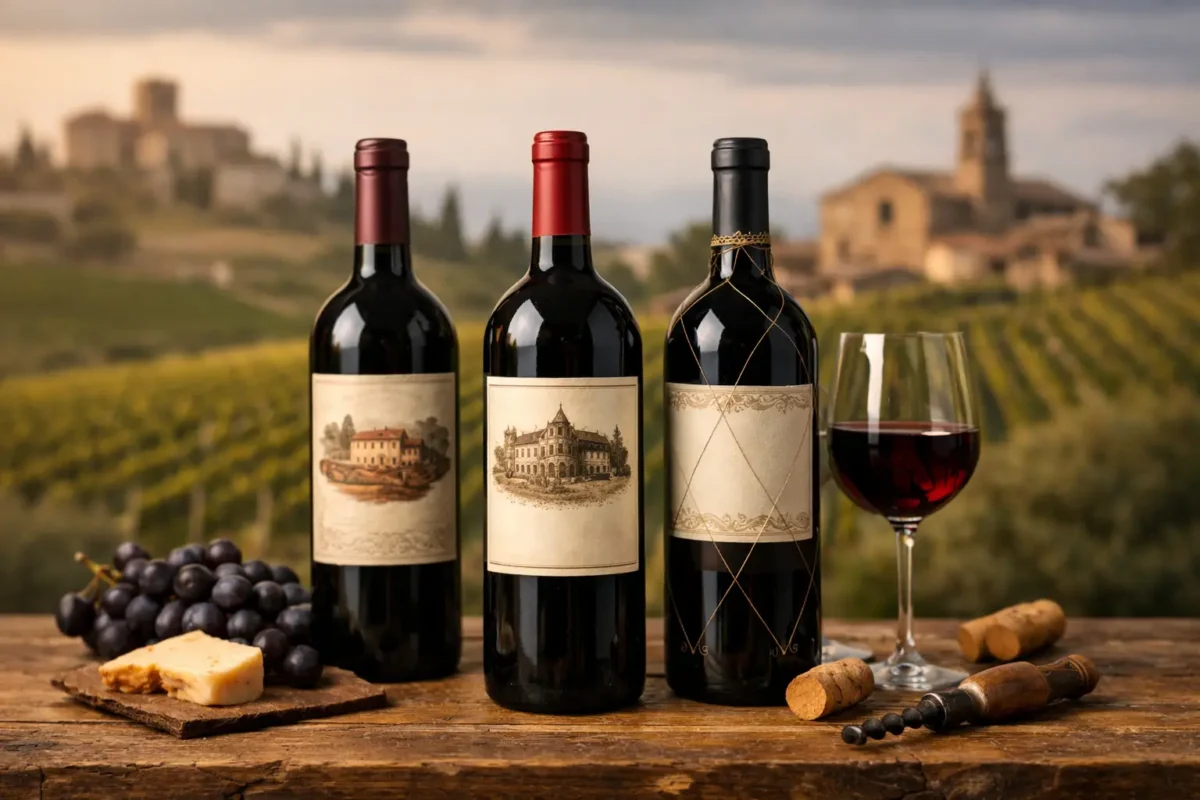
A wine list can say a great deal with a single bottle. For buyers trying to move beyond the expected, old world red wines offer something many categories struggle to deliver at once – pedigree, distinction, and a sense of place that feels earned rather than manufactured. They are not simply “European reds.” At their best, they carry the shape of the land, the patience of tradition, and the quiet authority of regions that have been making wine for centuries.
That is exactly why they continue to matter in the US market. Retailers want stories that hold up at shelf. Restaurants want bottles that bring character without resorting to gimmick. Distributors and import buyers want wines with authenticity, structure, and a clear identity. Old world red wines answer that need, especially when the conversation expands beyond the usual shorthand of Bordeaux, Burgundy, and Tuscany.
What old world red wines really mean
In practical terms, old world red wines are wines made in the traditional wine-growing countries of Europe and nearby historic regions, where viticulture is shaped by long-established appellations, native grapes, and local methods. But the phrase means more than geography. It suggests a way of thinking about wine.
Old World producers have historically focused on balance over excess, structure over sheer ripeness, and terroir over broad stylistic consistency. The fruit is often more restrained. Acidity tends to be more pronounced. Alcohol can feel better integrated. Oak is usually a frame rather than the headline. These are broad tendencies, not rules, and any serious buyer knows there are exceptions. Climate change, modern cellar practices, and changing consumer tastes have blurred some old distinctions. Even so, the category still signals heritage, regional identity, and a deeper link between wine and origin.
That link matters because provenance has become part of value. A red wine with a true regional accent gives trade buyers something more durable than trend. It gives them language, context, and credibility.
Why buyers still look to old world red wines
There is a reason these wines continue to command attention in independent retail, fine dining, and premium wholesale portfolios. They bring cultural capital, but they also bring range. A list built around old world red wines can move from familiar classics to discoveries that feel elevated rather than risky.
For the trade, that flexibility is useful. A well-known appellation may anchor a section, but lesser-known regions often create the margin opportunity and the conversation piece. Consumers who already know Cabernet, Merlot, and Pinot Noir are increasingly open to tasting those grapes through a different lens – or to stepping into indigenous varieties with a strong regional story.
This is where heritage becomes commercially relevant. A wine rooted in an ancient region, grown on estate vineyards, and presented with precision can stand out without needing to shout. It offers rarity with legitimacy.
The signature style of old world red wines
The most recognizable trait in old world red wines is restraint. Not weakness, and not austerity for its own sake. Restraint in this context means proportion.
Fruit is present, but it is usually layered with earth, spice, mineral notes, dried herbs, floral tones, or savory depth. Tannins may be firmer. Acidity often gives the wine a longer line across the palate. The finish can feel more architectural than plush. These wines tend to reward the table as much as the tasting bar.
That said, “Old World” is not a single taste profile. A southern Italian red, a Rioja, and a wine from the Balkans will not speak in the same register. Some old world red wines are powerful and dark-fruited. Others are lifted, taut, and finely etched. The common thread is not sameness. It is fidelity to place.
For retailers and sommeliers, that distinction matters. Selling these wines well means avoiding clichés. Consumers do not need a lecture on tradition. They need a clear sense of why this bottle tastes the way it does, and why that difference is worth seeking out.
Beyond France and Italy: the strength of overlooked regions
The old world conversation in the US too often narrows around a few famous countries. Those regions remain important, of course, but they do not hold a monopoly on heritage. Some of the most compelling opportunities now come from places with ancient wine cultures and less crowded market expectations.
Bulgaria is one of those places. Its winemaking history stretches back thousands of years, with Thracian roots that predate many of the regions American consumers casually call classic. Yet for many buyers, Bulgaria still feels like a discovery. That creates an unusual advantage: the wine can deliver genuine old world credibility while still feeling fresh to the market.
The Thracian Valley, in particular, offers a compelling profile for red wines. Warm days help achieve full ripeness, while the regional landscape and long viticultural lineage preserve structure, nuance, and a clear expression of origin. The result is not an imitation of Western Europe. It is an old world identity in its own right.
For a buyer building a more distinctive portfolio, this is where the category becomes exciting. You are not choosing between familiarity and authenticity. You can have authenticity with novelty, and quality with a sharper point of difference.
Old world red wines and the value of regional identity
In a crowded premium wine market, regional identity is one of the few advantages that cannot be easily copied. Label design can be imitated. Tasting notes can be embellished. But the credibility that comes from estate-grown fruit, a specific valley, and a long cultural lineage has more staying power.
Old world red wines succeed when that identity is visible in the glass. Buyers want wines that taste rooted. Restaurants want bottles their staff can talk about with conviction. Consumers want to feel they have found something with substance behind the romance.
This is why indigenous grapes and regionally grounded blends are increasingly important. They offer more than novelty. They show that the region is not simply borrowing prestige from international varieties, but speaking in its own voice. Even when grapes like Merlot are involved, old world context changes the expression. The wine may show more savory complexity, firmer structure, and a less overtly fruit-driven profile than New World counterparts.
A portfolio that includes both recognizable grapes and native varieties often works best. It invites the consumer in with something familiar, then gives them a path toward deeper discovery.
How to position old world red wines in the US market
For trade buyers, positioning matters almost as much as selection. Old world red wines should not be presented as academic exercises or niche curiosities. Their appeal is emotional as much as technical. They offer texture, lineage, and atmosphere.
That means the strongest messaging usually starts with origin and style, not jargon. Talk about the land. Talk about the heritage. Talk about what the wine brings to the table and how it differs from more polished, fruit-forward international styles. Then give the buyer or guest an access point – perhaps a known grape interpreted through an old world lens, or a native varietal framed by its region and structure.
Price also shapes perception. If the wine is premium, it should look and sound premium. Old world red wines with a compelling provenance story rarely perform best when reduced to value language alone. They earn attention through depth and distinction, and the presentation should reflect that.
For importers, wholesalers, and restaurant programs, there is also a practical benefit. Wines from underrepresented old world regions can refresh a portfolio without feeling experimental. They broaden the list while maintaining seriousness.
Why this category keeps its relevance
Trends come and go, but categories rooted in place tend to endure. Old world red wines remain relevant because they answer a lasting desire in wine: people want bottles that feel connected to somewhere real. They want the vineyard, the history, the regional fingerprint. They want a wine that tells the truth about where it comes from.
That is why the category remains fertile ground for discovery. It still holds classics, certainly, but some of its most interesting voices now come from the edges of mainstream awareness. Regions like Bulgaria, and producers such as Rhesus Wine, remind the market that old world heritage is broader and more alive than the standard map suggests.
The best bottles do more than fill a slot on a shelf or list. They create memory. They invite conversation. They bring the dignity of land and lineage into the present tense. For buyers and drinkers alike, that is a rare kind of value – and it is worth pursuing with care.