

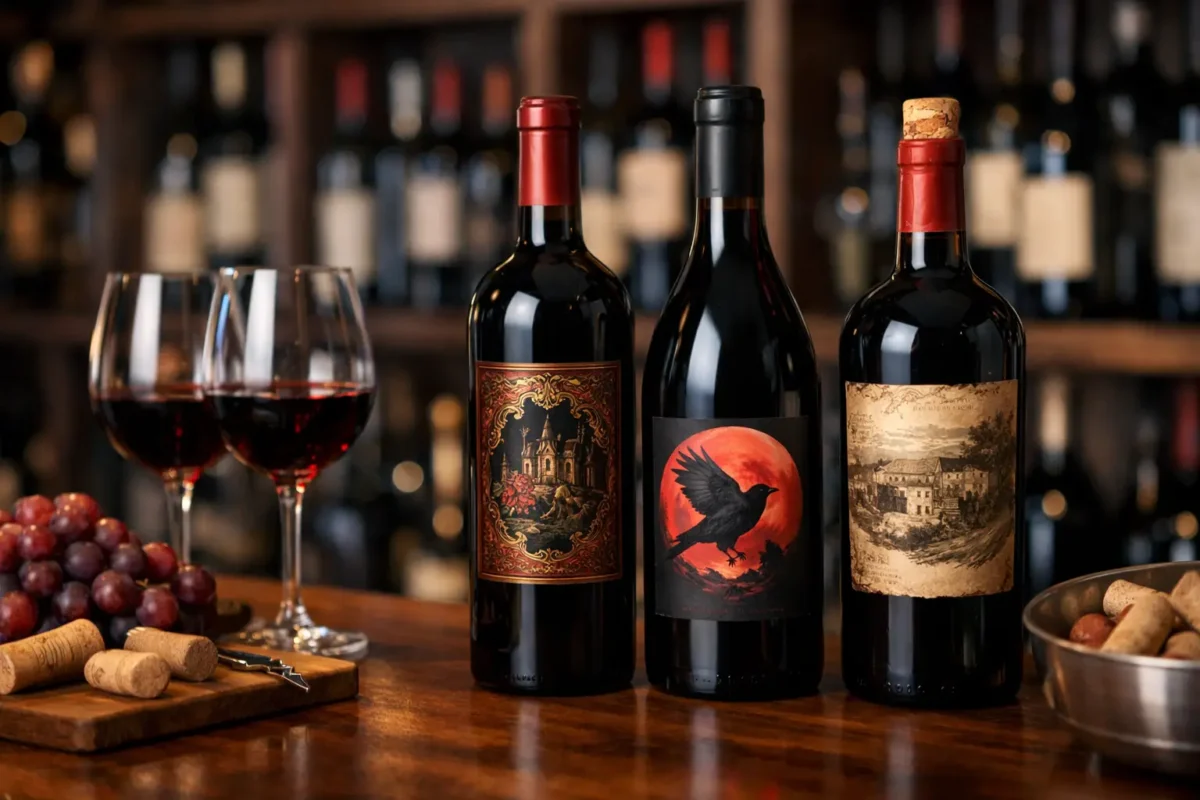
One crowded shelf can tell you everything about the category. Bordeaux, Napa Cabernet, Super Tuscans, Rioja, Pinot Noir from every expected corner – all familiar, all proven, all competing for the same glance. For buyers looking for unique red wines for retailers, the real opportunity is not novelty for its own sake. It is finding bottles with enough distinction to stop the eye, enough quality to earn a second purchase, and enough story to justify their place in a serious assortment.
That is where many retail programs either sharpen their identity or disappear into sameness. A distinctive red wine does more than fill a gap. It gives your team something worth talking about, offers customers a reason to trade up, and creates a point of difference that large-format sameness cannot easily copy.
What makes unique red wines for retailers worth stocking
Retailers do not need obscure wines simply because they are obscure. A wine becomes commercially interesting when rarity meets relevance. It should offer a clear sense of place, recognizable quality cues, and a profile that can be sold without turning every floor conversation into a seminar.
The strongest performers in this space tend to share a few traits. They come from regions with real heritage, not manufactured mystery. They bring a visual and verbal identity that feels premium on the shelf. And they give customers a satisfying answer to a simple question: why this bottle instead of the one I already know?
For many stores, especially those serving curious but not necessarily expert buyers, the sweet spot sits between familiar structure and fresh discovery. A red with Old World restraint, layered fruit, and a compelling regional identity can appeal to Cabernet and Merlot drinkers while still feeling like a find. That is a far more durable sales proposition than a wine chosen only because it sounds unusual.
The shelf problem: familiar regions still dominate attention
There is no shame in carrying classics. The classics still sell because they are easy to understand and easy to recommend. The problem begins when every premium shelf starts to look interchangeable. At that point, retailers are no longer curating. They are echoing.
Customers notice this more than buyers sometimes expect. The affluent, discovery-minded consumer may still buy Brunello or Napa, but they also want the satisfaction of bringing home something less obvious – something that feels chosen rather than repeated. Restaurant buyers feel a similar pressure. They need wines that signal taste, not just category compliance.
This is why less-saturated Old World regions have become increasingly valuable. They offer the prestige of history without the fatigue of overexposure. They let a retailer say something more interesting than “here is another dependable bottle from a famous place.”
Why heritage regions create stronger retail stories
In wine, story only works when it is anchored in truth. Buyers are quick to detect branding that sounds expensive but says very little. By contrast, a region with ancient winemaking roots, estate-grown fruit, and a culture shaped by the land carries its own authority.
That authority matters at the point of sale. Staff can communicate it with confidence. Consumers can repeat it when they pour the wine for friends. The bottle becomes memorable because its origin is memorable.
Bulgaria’s Thracian Valley is a strong example of this kind of origin. Its viticultural legacy reaches back thousands of years, yet for many US consumers it remains largely undiscovered. That creates a rare commercial advantage. The region feels established rather than trendy, rooted rather than invented. For retailers, that means you are not selling a gimmick. You are introducing a lineage.
Unique red wines for retailers need a bridge to the customer
The trade-off with any lesser-known region is straightforward. Distinction helps the first sale, but accessibility helps the second. Retailers need wines that invite conversation without demanding too much explanation.
This is where portfolio shape matters. A focused red wine range built around both regional character and recognizable varietal cues is easier to merchandise than a scattered selection of curiosities. A native or heritage grape can attract adventurous buyers, while a familiar grape grown in a distinctive terroir helps ease new customers into the set.
A wine like Mavrud, for example, offers exactly the kind of shelf intrigue many stores are missing. It carries genuine regional identity and a sense of antiquity, but its appeal is not purely academic. In the glass, it can show depth, structure, dark fruit, and savory character that resonate with serious red wine drinkers. It feels new without feeling alien.
Merlot from the same origin tells a different, equally useful retail story. It offers an accessible entry point, yet in the right hands and soils it can move well beyond the broad, generic expressions many consumers know. When estate-grown and shaped by place, it becomes less about varietal familiarity alone and more about refinement with provenance.
Then there is the role of the blend. A well-constructed red blend often performs better than buyers expect, especially when it is presented as a curated expression of the estate rather than a catch-all category. It gives retailers a versatile recommendation – polished, food-friendly, and premium without being overly niche.
How to judge if a distinctive red will work in your store
A unique wine should make commercial sense before it earns romance. Start with your customer base. If your shoppers are highly label-driven and price-sensitive, the path may require more hand-selling. If they already trade in the premium tier and ask for sommelier-style recommendations, a heritage-led red from a less familiar region can become one of your most useful tools.
Then look at whether the wine gives your staff a clean selling script. Can they describe the region in a sentence or two? Can they place the wine stylistically for someone who likes structured reds, elegant reds, or age-worthy reds? If the answer is yes, the wine has a better chance of converting from curiosity into confidence.
Presentation also matters. Premium packaging is not superficial at this level. It signals seriousness, particularly when the region itself may be new to the shopper. A refined label, a clear importer story, and an estate-centered identity all reduce hesitation.
Finally, consider whether the producer or importer supports the sale in practical ways. Samples, wholesale responsiveness, and a coherent portfolio matter. Distinctive wines sell better when the supply side is as disciplined as the storytelling.
Why a focused Bulgarian red portfolio stands out
For retailers seeking distinction with substance, a tightly edited Bulgarian red selection answers several needs at once. It brings ancient winemaking heritage into a modern premium context. It gives staff an origin story that feels elevated and credible. And it avoids the diluted message that comes from trying to represent too many disconnected styles at once.
A portfolio centered on estate-rooted reds from the Thracian Valley has particular retail strength because each wine can play a clear role. Mavrud serves the customer who wants discovery with depth. Merlot meets the buyer who wants familiarity refined by place. A Select Blend offers flexibility for gifting, entertaining, and restaurant by-the-bottle programs. Together, they create an assortment that feels curated rather than random.
For the trade, that clarity is useful. It simplifies training, strengthens merchandising, and supports premium positioning. One brand working in this lane, Rhesus Wine, frames the category well: heritage, estate identity, and Bulgarian red wine presented with elegance rather than explanation overload. That is often the right balance for US retail.
The margin story is real, but only if the wine earns trust
Distinctive wines can support healthier margins, but only when they deliver. Customers may pay more for rarity, yet they return for quality. If the first bottle feels like a clever shelf experiment and the second never happens, the margin story collapses quickly.
This is why provenance and craftsmanship matter more than novelty language. Wines tied to a specific estate, a historic region, and a clear winemaking philosophy tend to build trust faster. Consumers sense when the bottle has roots. Retailers benefit when that authenticity becomes part of the store’s own reputation.
There is also a quieter advantage. Unique wines often create stronger staff engagement. Sales teams are more persuasive when they believe in what they are pouring and discussing. A bottle with cultural weight, visual elegance, and a genuine reason to exist is easier to champion than another interchangeable premium red.
The most effective assortments are not built by chasing whatever sounds rare this season. They are built by choosing wines with identity – wines that carry the land, honor tradition, and still make sense in the American market. When a red can do all three, it earns more than shelf space. It earns conversation, loyalty, and the kind of customer memory that no crowded shelf can manufacture.
If your store is ready for a red wine story that feels both ancient and commercially current, look beyond the usual map. The wines worth betting on are often the ones that have been waiting, quietly, in the right soil all along.