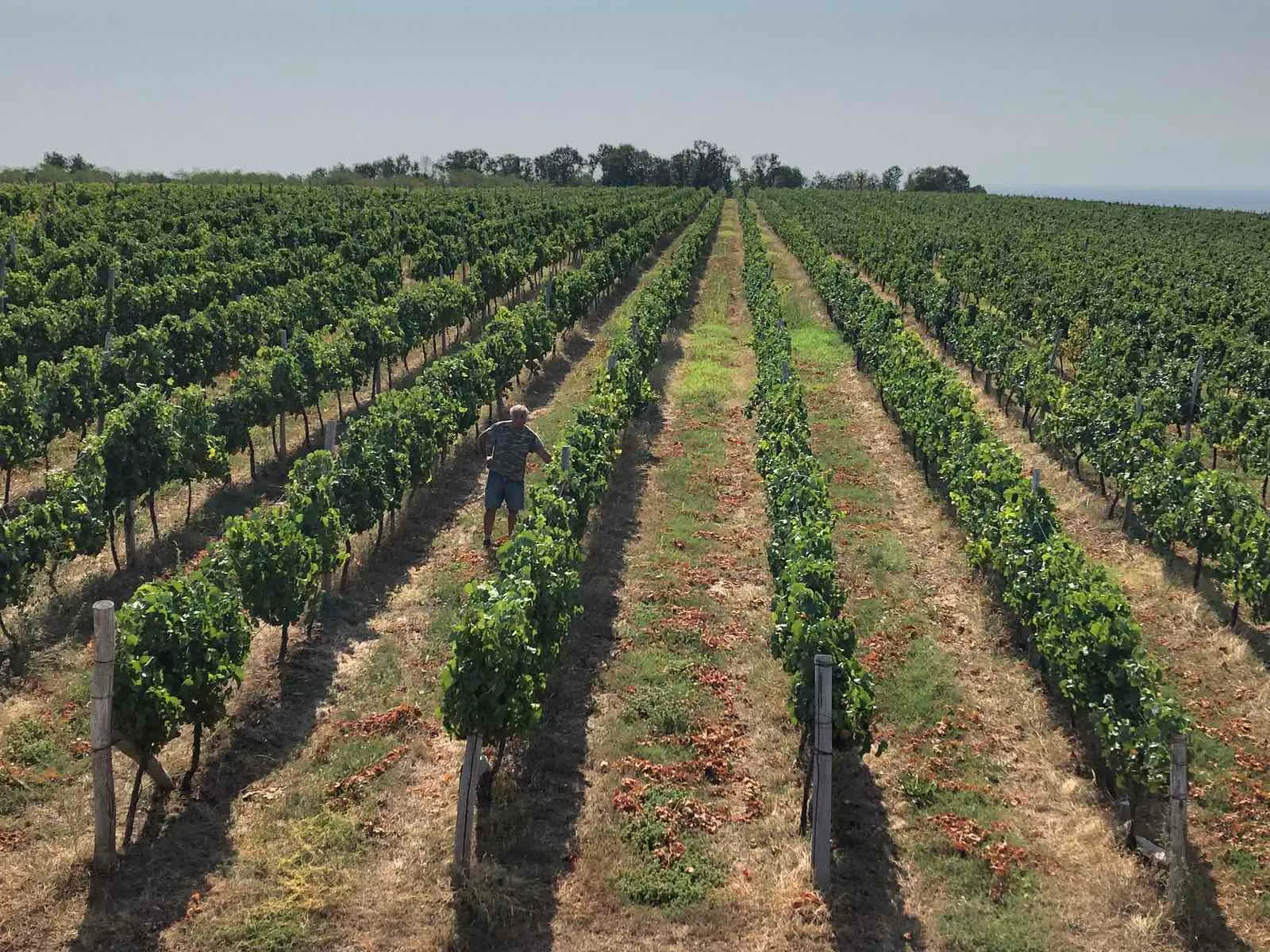

56 ha
ESTATE VINEYARD
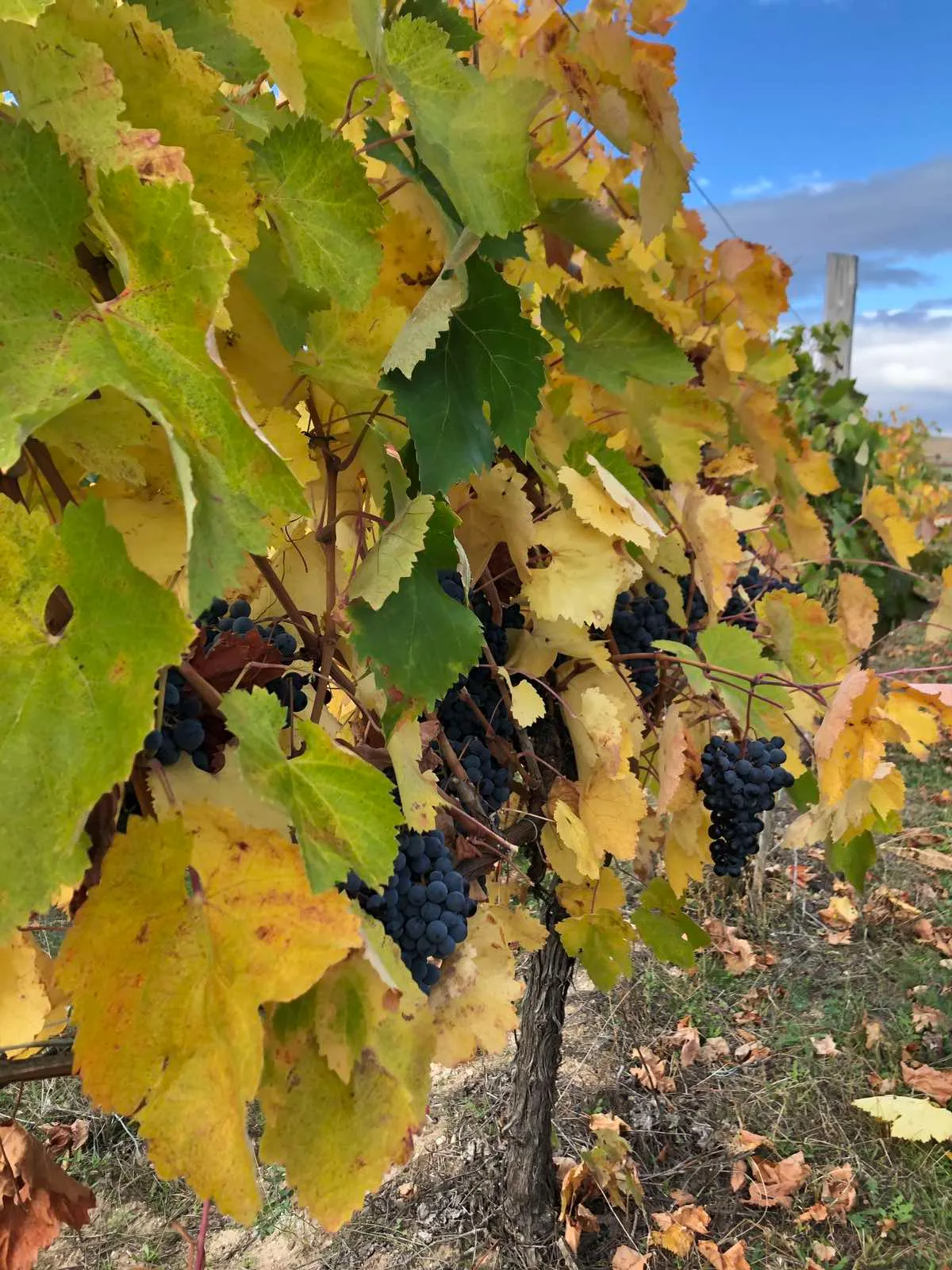
30 yrs
AVERAGE VINE AGE
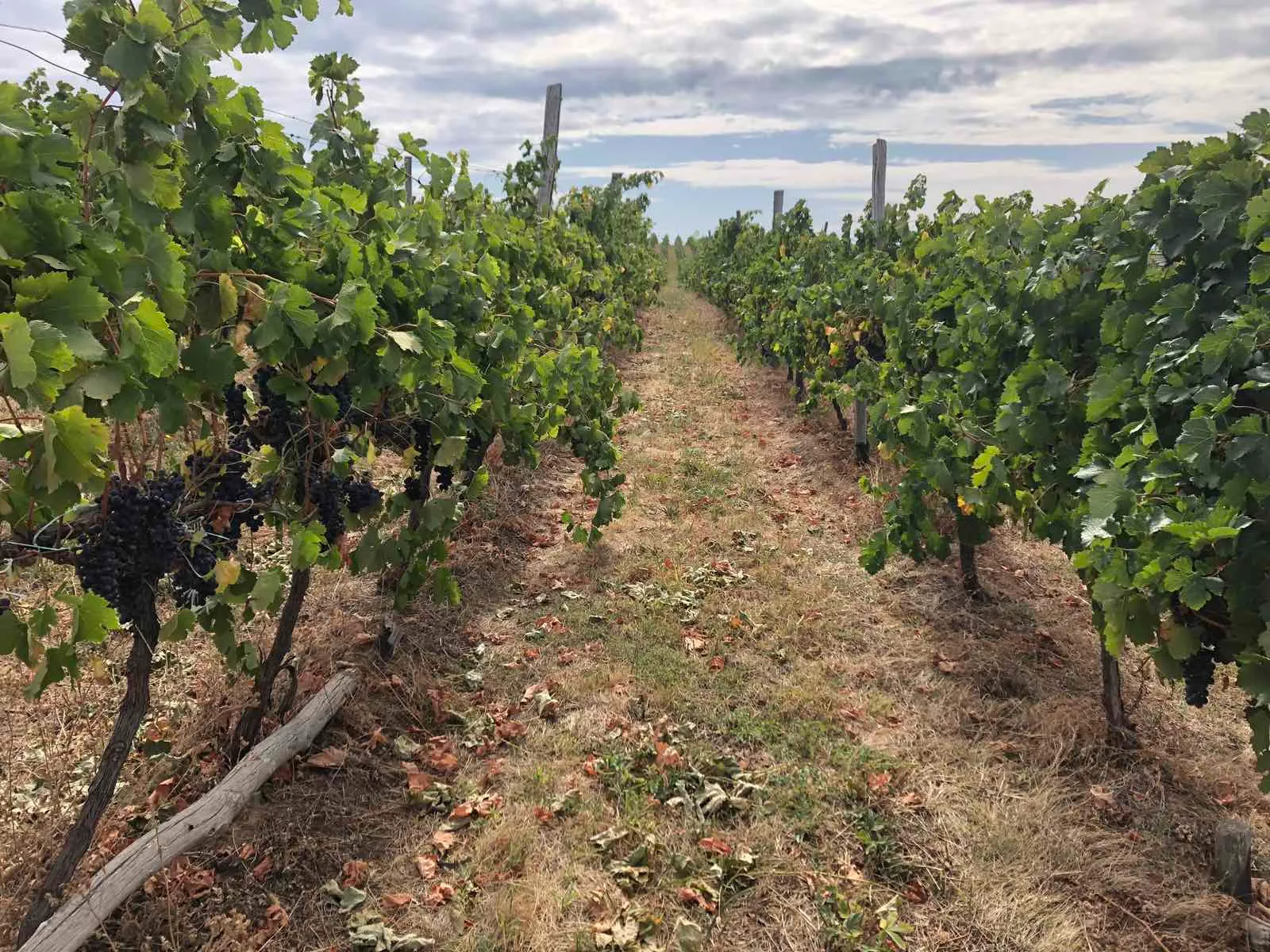
3,600
VINES PER HECTARE
48 hl/ha
AVERAGE YIELD
TECHNOLOGICAL SCHEME & ORIGIN
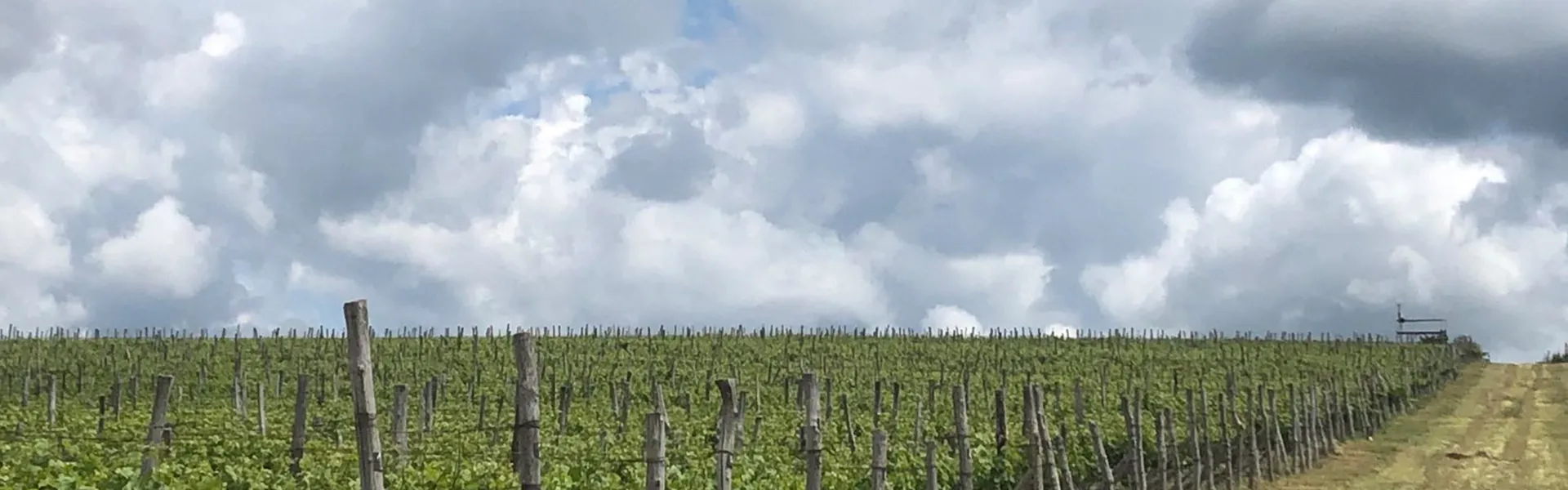
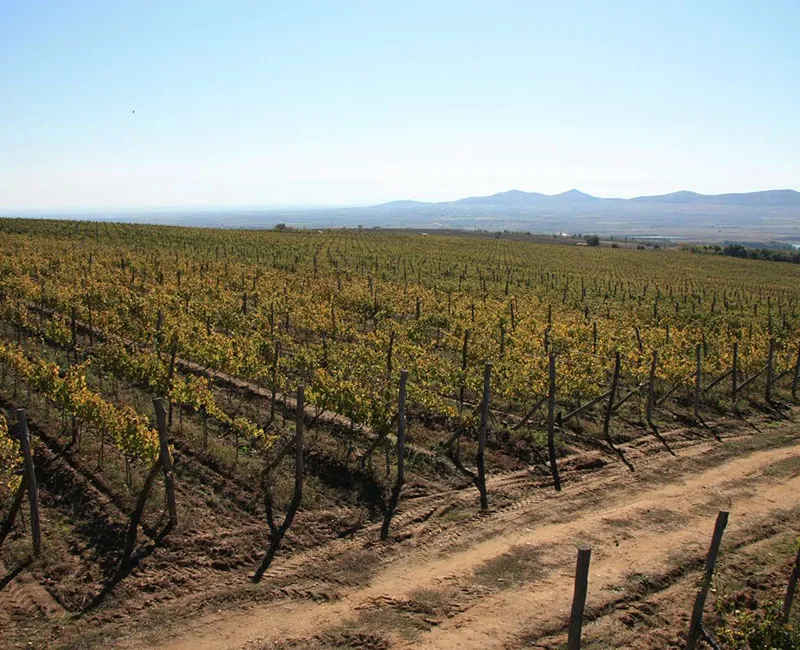
Established in 1996, this family owned and operated winery is rooted in the PGI Thracian Valley. Vineyard locations were selected after detailed soil and micro-climatic analyses to ensure an optimal match between terroir and grapevine genetics. Varieties are mapped to individual plots by soil composition, harvested separately at optimal ripeness, and vinified independently to preserve plot character and varietal precision.

TECHNICAL CHARACTERISTICS
| APPELLATION | Protected Geographical Indication (PGI) – Thracian Valley |
|---|---|
| LOCATION | Vineyard plot in the village of Smilets. |
| VINEYARD AREA | 56 hectares (ha) |
| AGE OF VINES | 30 years (planted circa 1996) |
| PLANTING DENSITY | 3,600 vines per hectare |
| AVERAGE YIELD | 48 hl/ha |
VARIETAL COMPOSITION & SOILS
The 56-hectare estate is divided according to soil profile to leverage varietal adaptability and to preserve parcel-specific expression.
- Merlot (15 ha): Sandy-stony soils on southern slopes.
- Cabernet Sauvignon (26 ha): Sandy-stony southern slope and clay-dominantplots.
- Mavrud (10 ha): Cultivated exclusively on clay soils.
- Syrah (3 ha): Planted on clay soils.
- Muscat Ottonel (1 ha): Planted on sandy-stony soils.
- Chardonnay (1 ha): Planted on sandy-stony soils.
FOCUS ON MAVRUD
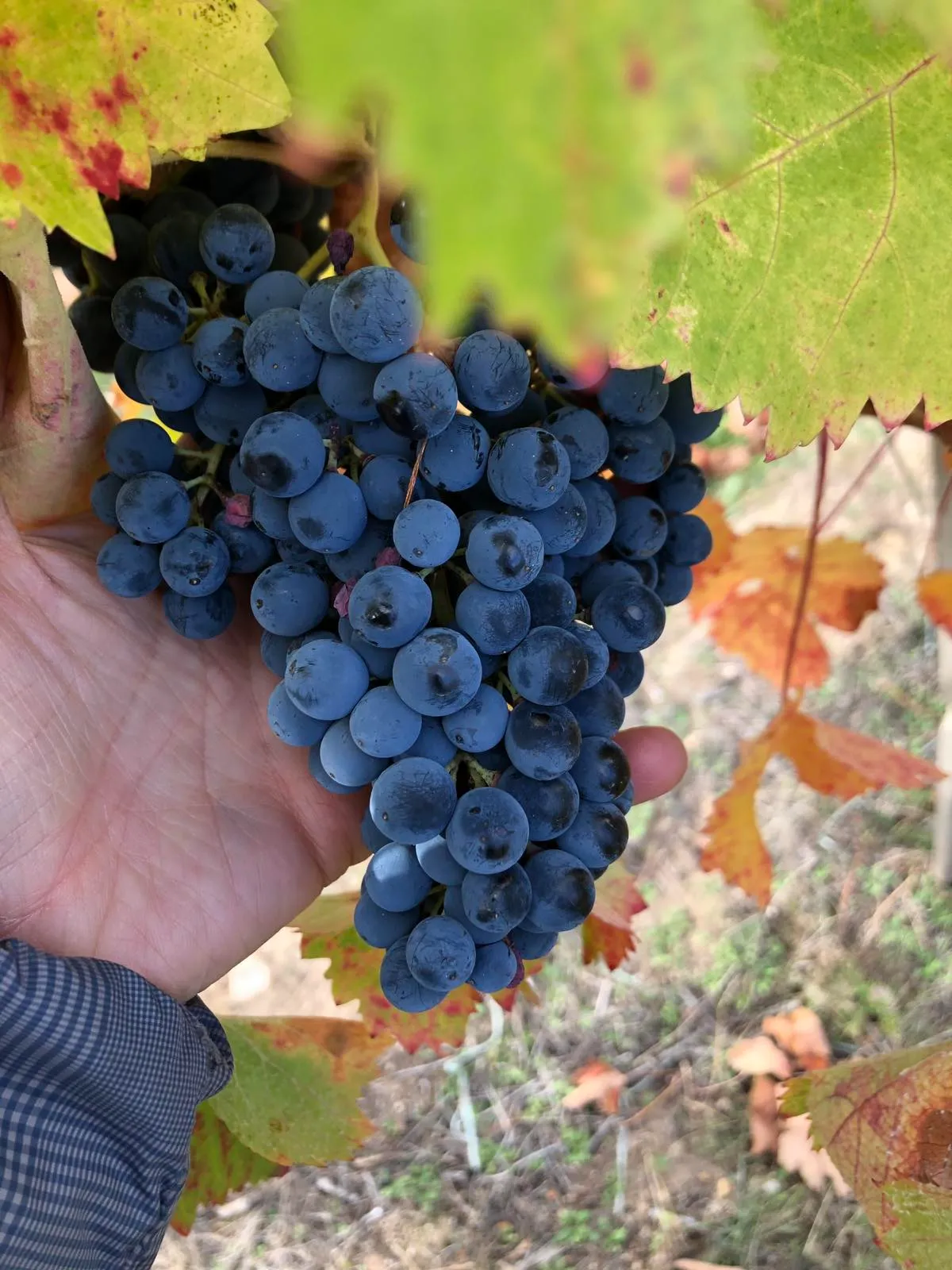
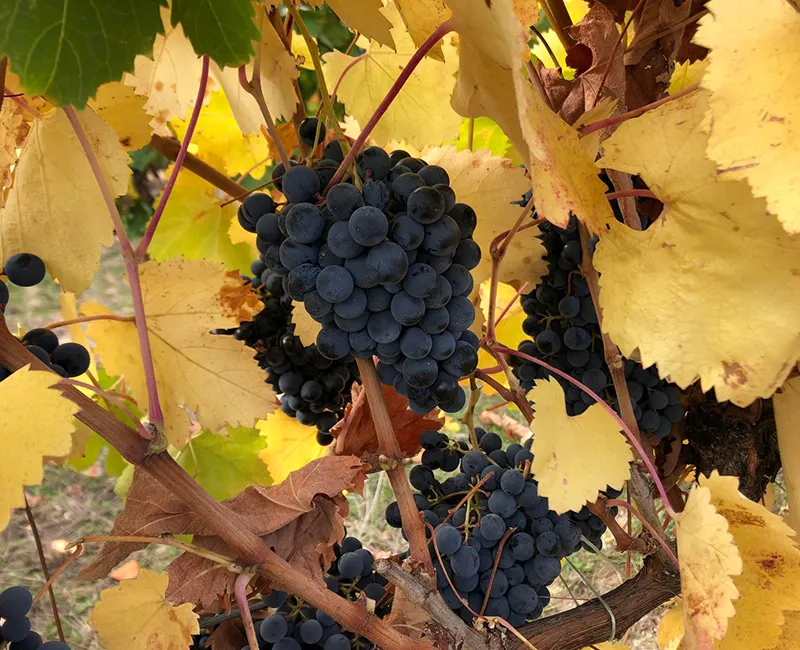
Mavrud is a classic indigenous Bulgarian variety typical of the central Thracian region. Late ripening and richly structured, it is especially suited to extended oak aging and produces a distinctive, non-replicable terroir profile.
VINEYARD MANAGEMENT & AGRONOMY
WATER MANAGEMENT
Precision parcel regulation via subsurface drip irrigation (Netafim, Israel), with permanent green cover crop between rows.
MICROCLIMATE TRACKING
On-site meteorological stations provide continuous atmospheric data for vineyard decisions.
PEST & DISEASE MODELING
Integrated pest management (IPM) uses the Dutch RIMPRO disease-forecasting system.
VINE HYDRATION
Live monitoring of water turgor and sap flow using Flora Pulse (USA) sensors.
FOLIAR NUTRITION
Regular leaf tissue diagnostics (NOVACORP, Netherlands) track micro and macro-nutrient status.
SOIL & SITE LOGIC
Varieties are matched to plot-level soil composition to support balanced ripening and site transparency.
VINIFICATION PROCESS
- Maturity Determination: Analytical tracking of technical and phenolic maturity curves dictates optimal harvesting windows. To determine thepicking moment, grape samples are taken. In the laboratory, sugars, acids, and pH are measured. Phenolic ripeness of the grapes is checked — theseed should have turned brown and separate easily from the fleshy part ofthe berry.
- Harvesting: 100% manual harvesting, hand picking from local workersin small protective crates to maintain bunch integrity.
- Sorting: Double-table sorting system, performed on whole clusters andpost-destemming.
- Pre-fermentation Maceration: Cold soak of 3 to 4 days at 14°C toextract primary aromatics.
5. Fermentation: Temperature-controlled stainless steel vessels; redvarieties ferment for 10 to 12 days.
6. Drawing Off / Devatting: Post-alcoholic fermentation with strictlycontrolled free-run/run-off yield of 52% to 55%.
7. Secondary Fermentation: Complete, spontaneous malolactic (quiet)fermentation.
STABILIZATION & AGING
Cold stabilization at -5°C to -6°C. Wines are aged in stainless steel vessels or 225-liter French oak barrels up to 3 fills, for 12 to 48 months depending on tier and style.
FILTRATION & BOTTLING
Sterile filtration followed by counter-pressure bottling under a protective nitrogen atmosphere to eliminate oxygen pickup.
VINTAGE REPORTS & TECHNICAL SHEETS
VINTAGE 2023 – RHESUS SELECT BLEND
| VARIETY | HARVEST DATE | COMPOSITION |
|---|---|---|
| Syrah | October 2, 2023 | 25% |
| Merlot | October 4–5, 2023 | 35% |
| Mavrud | October 16, 2023 | 40% |
| VARIETY | HARVEST DATE | NOTES |
|---|---|---|
| Merlot | September 29, 2022 | Harvested at optimal technological maturity. |
| Mavrud | November 2, 2022 | Late harvest, utilizing prolonged hang-time for full phenolic maturity. |
INTERESTING FACTS
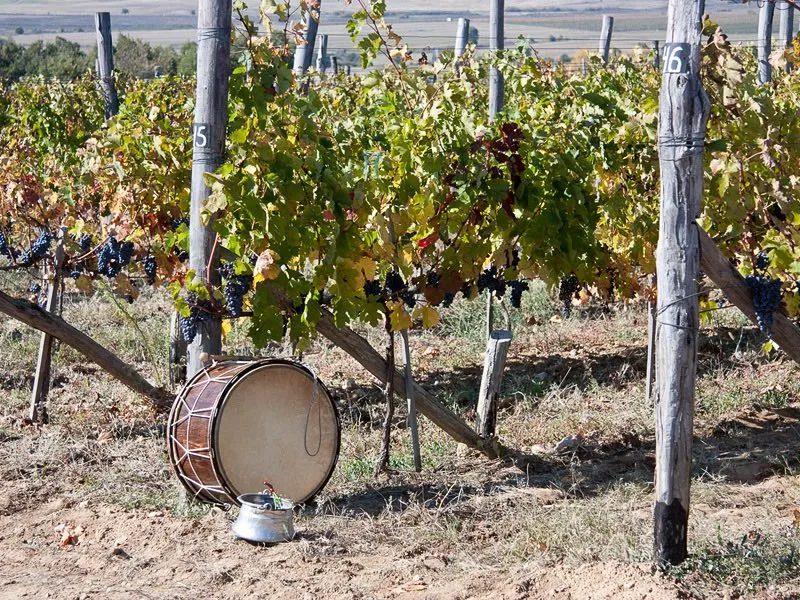
Bulgarian grape harvests season starts with a centuries-old tradition as much as an agricultural task: families and neighbors gather to hand-pick clusters, often wearing traditional dress, singing harvest songs, and sharing simple meals and wine between the rows. The work is rhythmic and communal—scissors and woven baskets pass from hand to hand while elders pass down pruning and picking techniques—followed by small blessings for a good yield and careful sorting at the crush. These seasonal rites blend practical care for the vines with storytelling, music, and hospitality, turning the harvest into a living celebration of place, memory, and the year’s labor.