

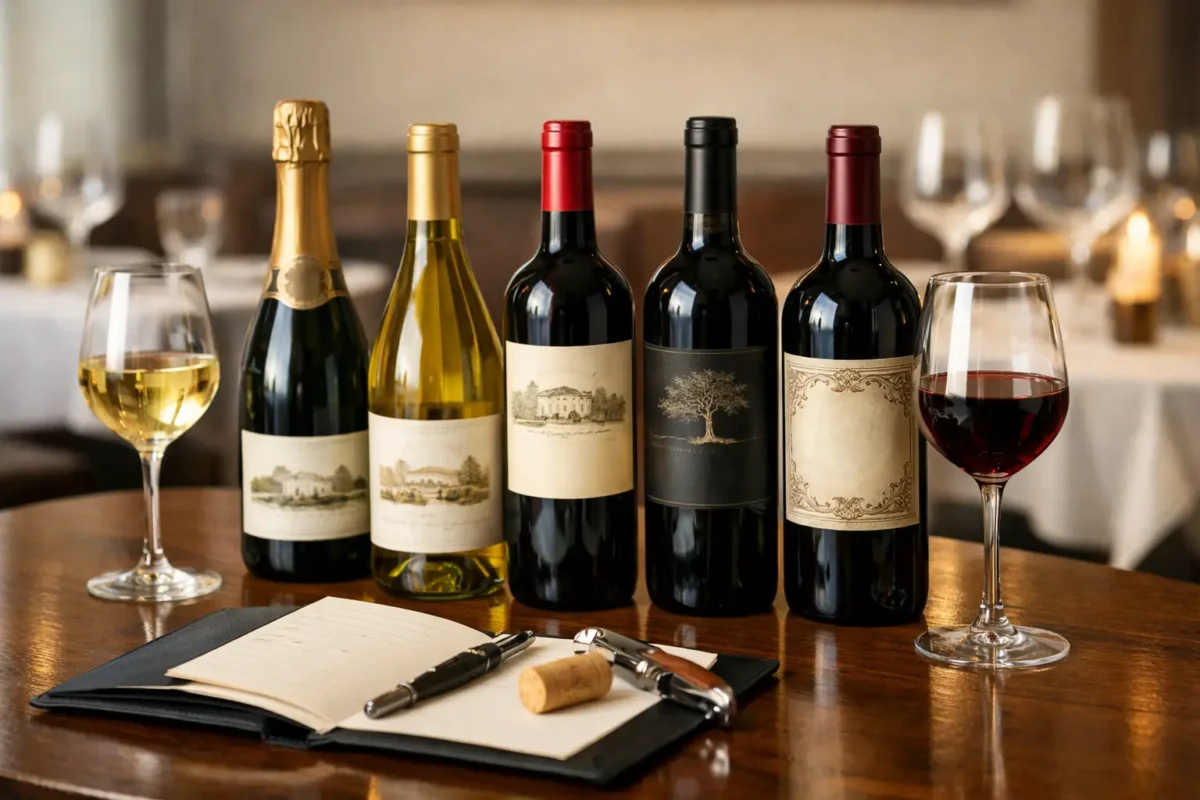
A wine list rarely fails because it lacks famous names. It fails when every bottle feels familiar, interchangeable, and easy to skip. The best wine for restaurant wine list success is not simply a crowd-pleaser or a critic favorite. It is a wine that gives guests a reason to order, gives servers a story to tell, and gives the program a point of view.
For restaurant buyers, that changes the conversation. A strong list is not built on volume alone. It is built on balance between recognition and discovery, comfort and intrigue, price accessibility and premium lift. When a wine earns its place, it does more than fill a category. It shapes the guest experience and strengthens the identity of the room.
What makes the best wine for restaurant wine list programs?
The answer depends on the concept, the check average, and the food. A neighborhood bistro needs a different mix than a steakhouse, hotel bar, or Mediterranean dining room. Still, the best wine for restaurant wine list planning usually shares a few traits. It should be versatile at the table, expressive in the glass, and distinct enough to stand apart from what guests see everywhere else.
That last point matters more than ever. Many lists are still dominated by predictable sourcing from California, France, and Italy. Those regions will always deserve a place, but a wine program becomes far more memorable when it includes bottles with genuine origin character and a clear story of land, estate, and tradition. Guests may not walk in asking for Bulgaria by name. They will remember the red that felt both classic and newly discovered.
A useful wine list also needs operational sense. If a wine is difficult to describe, fragile with food, or priced in a way that slows movement, even a beautiful bottle can underperform. The strongest selections work on several levels at once. They appeal to the guest, support the staff, and make commercial sense for the business.
The balance every restaurant list needs
The easiest mistake is building a list entirely around safe labels. The second easiest is chasing novelty for its own sake. Neither approach creates a durable program.
A profitable list usually needs three layers. First, there are anchors – wines guests recognize and trust. Then there are bridges – wines that feel approachable but offer a fresh angle. Finally, there are signatures – bottles that define the restaurant’s taste and create conversation. The wines that often outperform are the bridge and signature selections, because they move the list beyond commodity.
This is where heritage-driven Old World reds can be especially valuable. They bring structure, food affinity, and narrative depth without always carrying the inflated expectations attached to more saturated regions. When the bottle is estate-rooted and tied to a distinct terroir, it offers something guests increasingly want: authenticity without cliché.
For many restaurants, red wine remains the emotional center of the list. Red is where guests are most willing to trade up, especially when dining calls for depth, texture, and ritual. That makes red categories a strategic place to differentiate.
Why distinctive reds often outperform familiar defaults
A guest ordering wine in a restaurant is not shopping a shelf. They are making a mood decision. Familiarity helps, but discovery often closes the sale. If a server can say, with confidence, that a wine comes from an ancient winemaking region, from estate-grown fruit, and offers Old World character with a polished modern presentation, that bottle immediately has presence.
This is one reason lesser-known but heritage-rich regions deserve serious attention from beverage directors. Wines from places with deep viticultural history can deliver both story and substance. They invite curiosity, especially when the profile is not obscure in the glass. A guest may hesitate at an unfamiliar grape name, but if the wine offers dark fruit, structure, spice, and food-friendly freshness, the barrier drops quickly.
Mavrud is a strong example of this opportunity. For programs that want a red with identity, it offers something rare: genuine regional distinction with a profile that still feels legible to American diners. It can speak to guests who love Syrah, Cabernet Franc, or structured southern European reds, while giving the list a more original signature. That makes it commercially interesting, not just culturally interesting.
Merlot also deserves a fresh look. Too often, buyers dismiss it as either too obvious or too soft. But estate-driven Merlot from the right site can be one of the smartest wines on a restaurant list. It is familiar enough to reassure the guest, yet nuanced enough to reward better sourcing. When the fruit has depth and the finish carries shape and restraint, Merlot becomes a bridge wine in the best sense – accessible, serious, and broadly useful across pairings.
A carefully composed blend can complete the trio. Blends often sell well because they are easier for guests to understand and easier for staff to position. They can also carry a house signature, especially when they express a place rather than simply chasing power. In the right program, a blend becomes the bottle that works for both the curious table and the guest who simply wants a memorable red.
How to choose wines that actually move
Movement matters. The right bottle cannot just look good on paper. It needs to leave the cellar.
Start with guest behavior, not personal preference. If your list already has enough Napa Cabernet and Super Tuscan inventory, adding another famous label may do little except increase redundancy. Look instead for categories where guests are open to guidance. By-the-glass reds, mid-range bottle selections, and staff-recommended pairings are often where new regions gain traction.
Then consider how easily the wine can be sold tableside. A strong restaurant wine is one a server can describe in two or three elegant sentences. Origin matters. Flavor matters. Food pairing matters. If all three can be communicated simply, the wine has a better chance of becoming a repeat order.
Pricing strategy deserves equal attention. The best wine for restaurant wine list performance often lives in the range where guests feel they are discovering value, not merely spending less. A bottle from a respected but underrepresented region can create this effect beautifully. It feels premium, but not overexposed. It carries story, but not pretense.
Finally, think about visual identity. Label design should fit the room. Presentation influences confidence, especially with unfamiliar regions. A refined bottle signals seriousness before the cork is pulled.
Building a list with point of view
A restaurant wine list should feel curated, not assembled. That means each bottle should contribute to a larger impression of the house. Are you classic and restrained? Warm and generous? Exploratory but polished? Your wine choices should answer before the first pour.
Adding one or two distinctive regional reds can sharpen that identity quickly. A Thracian Valley selection, for example, brings more than novelty. It brings one of the world’s oldest wine cultures into a modern dining context. That is a compelling gesture for restaurants that want to offer discovery with pedigree.
This is where a focused importer portfolio can be an advantage. Instead of choosing from a sprawling catalog, buyers can work with wines that have a coherent regional voice and clear positioning. A producer such as Rhesus Wine, with estate-rooted Bulgarian reds built around Mavrud, Merlot, and a select blend, fits neatly into programs looking for premium Old World reds that feel both grounded and distinctive.
The trade-off, of course, is that unfamiliar regions require staff confidence. You cannot drop a wine like this onto a list and expect it to sell itself. Training matters. Tasting notes should be concise. Pairing language should be practical. The reward is that once the team believes in the wine, the table often follows.
Best wine for restaurant wine list success is rarely the loudest bottle
The bottles that work best in restaurants are often the ones that leave room for both the food and the guest. They have presence, but not heaviness. Character, but not confusion. They feel special without demanding a lecture.
That is why origin-driven reds with elegance, structure, and story can be such smart additions. They bring emotional value to the list. They help restaurants stand apart in a market crowded with repeated names and predictable pours. Most of all, they remind guests that wine still has the power to transport.
A thoughtful list does not need to be long to be memorable. It needs conviction. Choose wines that speak clearly of where they come from, pour beautifully with the menu, and give your staff something worth recommending. When a bottle carries the land, the history, and the pleasure in equal measure, it earns its place at the table.