

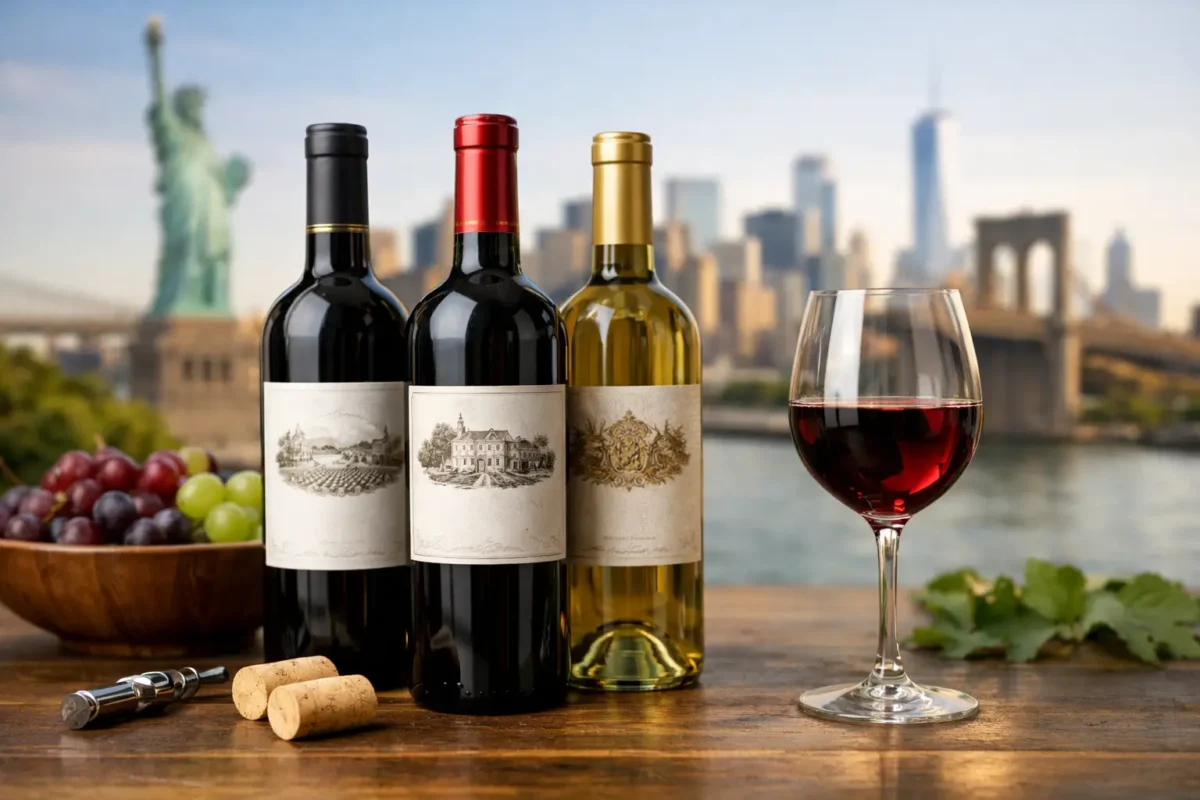
A serious buyer can spot the difference quickly. One portfolio is crowded, generic, and built to fill price points. Another feels curated from the first bottle – a point of view rather than a catalog. That is where a boutique wine importer USA buyers respect begins to matter, especially when the goal is not just to stock wine, but to present something with origin, character, and commercial purpose.
In a market saturated with familiar regions and predictable labels, the strongest opportunities often come from producers and importers willing to stand for something specific. For retailers, restaurant beverage programs, and specialty distributors, the question is no longer whether customers will try something beyond the expected. The real question is whether the story, quality, and supply behind that wine are strong enough to earn a permanent place on the shelf or list.
What a boutique wine importer USA model really offers
The word boutique is often used too loosely. In wine, it should suggest restraint, discernment, and identity. A boutique importer is not trying to represent every region, every style, or every trend. The value lies in selection with conviction.
That matters because focused importing creates clarity. Buyers are not forced to sort through a sprawling book of loosely connected products. Instead, they get a portfolio shaped by a coherent philosophy – estate roots, regional distinction, and wines chosen for more than broad commercial familiarity.
A strong boutique model also tends to preserve the voice of the winery and the land behind it. Rather than sanding down the edges of place to suit the broadest audience possible, it presents wines that still carry their native texture, history, and personality. For premium accounts, that difference is not cosmetic. It is the foundation of sell-through.
Why provenance matters more than volume
For trade buyers, provenance has become one of the clearest markers of value. Consumers may not use that word at the shelf, but they respond to what it represents. They want to know where a wine comes from, why it tastes the way it does, and whether that origin means something beyond a map.
This is where heritage regions have a quiet advantage. Bulgaria, and particularly the Thracian Valley, offers a kind of credibility that does not need to be manufactured. It carries one of the oldest wine cultures in the world, with a winemaking legacy that reaches back thousands of years. That history is not decoration. When paired with estate-grown fruit and disciplined production, it becomes a real commercial asset.
For a buyer, provenance helps in two directions at once. It gives staff and sales teams something meaningful to communicate, and it gives consumers a reason to remember the bottle after the first pour. That is especially valuable in premium red wine, where attention is expensive and loyalty is hard won.
Boutique wine importer USA portfolios work best when they stay focused
There is a practical side to romance. Buyers may love story, but they still need clean positioning, straightforward assortment logic, and confidence that each SKU has a job to do.
A focused red portfolio often performs better than a scattered one because the message is easier to carry from importer to distributor to account to guest. A native grape like Mavrud creates intrigue and differentiation. A polished Merlot offers familiarity through an Old World lens. A Select Blend can bridge the two, giving lists and shelves a versatile anchor with both texture and regional identity.
That kind of structure serves multiple account types without becoming diluted. A retailer can build a discovery set around it. A restaurant can pour one by the glass and feature another on bottle lists for guests who want depth and conversation. A distributor can explain the collection in one meeting without losing the thread.
The trade-off, of course, is that a smaller portfolio asks more from each wine. Every bottle must justify its place. But when the wines are estate-rooted and stylistically aligned, that pressure becomes a strength rather than a weakness.
Why Bulgaria deserves more attention from US buyers
For many American buyers, Bulgaria remains an underexplored category. That creates both a challenge and an opening. The challenge is obvious: the region may not have the immediate recognition of Bordeaux, Tuscany, or Napa. The opening is far more interesting.
When a region is not overexposed, buyers have room to shape the conversation. They can introduce wines that feel discovered rather than overmarketed. They can offer an Old World red with real pedigree, yet without the fatigue that follows more crowded appellations.
The Thracian Valley is especially compelling in this regard. Its identity carries warmth, historical gravity, and a strong sense of place. Red wines from this area can show depth, structure, and dark-fruited elegance while still speaking in a distinctly regional accent. For programs looking to move beyond the standard European rotation, that is not a novelty play. It is a serious positioning advantage.
What trade buyers should ask before bringing in a boutique importer
Not every small importer is a strategic fit. Some have strong taste but weak market support. Others offer compelling wines but no real sales pathway. The right partner needs both aesthetic conviction and commercial discipline.
Buyers should look closely at portfolio coherence, importer representation, and ease of ordering. They should also ask whether the wines can be introduced with enough narrative support to help staff sell with confidence. A great bottle with no story support often stalls. A great story with inconsistent quality fades even faster.
The sweet spot is an importer that can provide a clear route from first sample to repeat order. That includes product consistency, premium presentation, and a narrative that feels genuine rather than rehearsed. For wholesale and retail, this can be the difference between a one-time curiosity and a durable account performer.
The emotional sell still matters
Wine is a commercial product, but it does not move on efficiency alone. Especially at the premium end, people buy what stirs curiosity and signals taste. They are not only choosing flavor. They are choosing association, memory, and identity.
That is why heritage-led red wines continue to resonate. A bottle tied to ancient vineyards, estate-grown fruit, and a living regional tradition offers more than sensory appeal. It gives the guest or customer a story to inhabit. Taste the land. Feel the legend. That language endures because it expresses something buyers already understand – the strongest wines carry their place with dignity.
For the trade, emotional resonance translates into practical outcomes. Staff remember how to talk about the wine. Customers remember why they bought it. Accounts gain a point of distinction that is difficult for generic private-label offerings to imitate.
A sharper path for premium red programs
For buyers building a premium red selection, the safest path is rarely the most memorable one. Another recognizable label may move, but it will not necessarily define a shelf, shape a list, or deepen a brand’s identity. Distinctive importing can do that when the wines are credible, the origin is meaningful, and the assortment feels intentional.
That is why the boutique importer role remains valuable in the US market. It creates room for wines with cultural depth, estate character, and a more refined sense of purpose. In the right hands, Bulgarian reds from the Thracian Valley are not simply alternatives to established categories. They are a reminder that prestige is not confined to the usual borders.
Rhesus Wine stands in that tradition – bringing heritage-driven Bulgarian reds to the American market with a focused portfolio shaped by land, legacy, and premium presentation. For buyers seeking wines that speak with confidence rather than volume, that kind of clarity is rare.
The next strong addition to your program may not come from the loudest region or the broadest catalog. It may come from a quieter place with deeper roots, where the wine still remembers the land it came from.